 MezzoForte
The Best Age to Start Piano Lessons
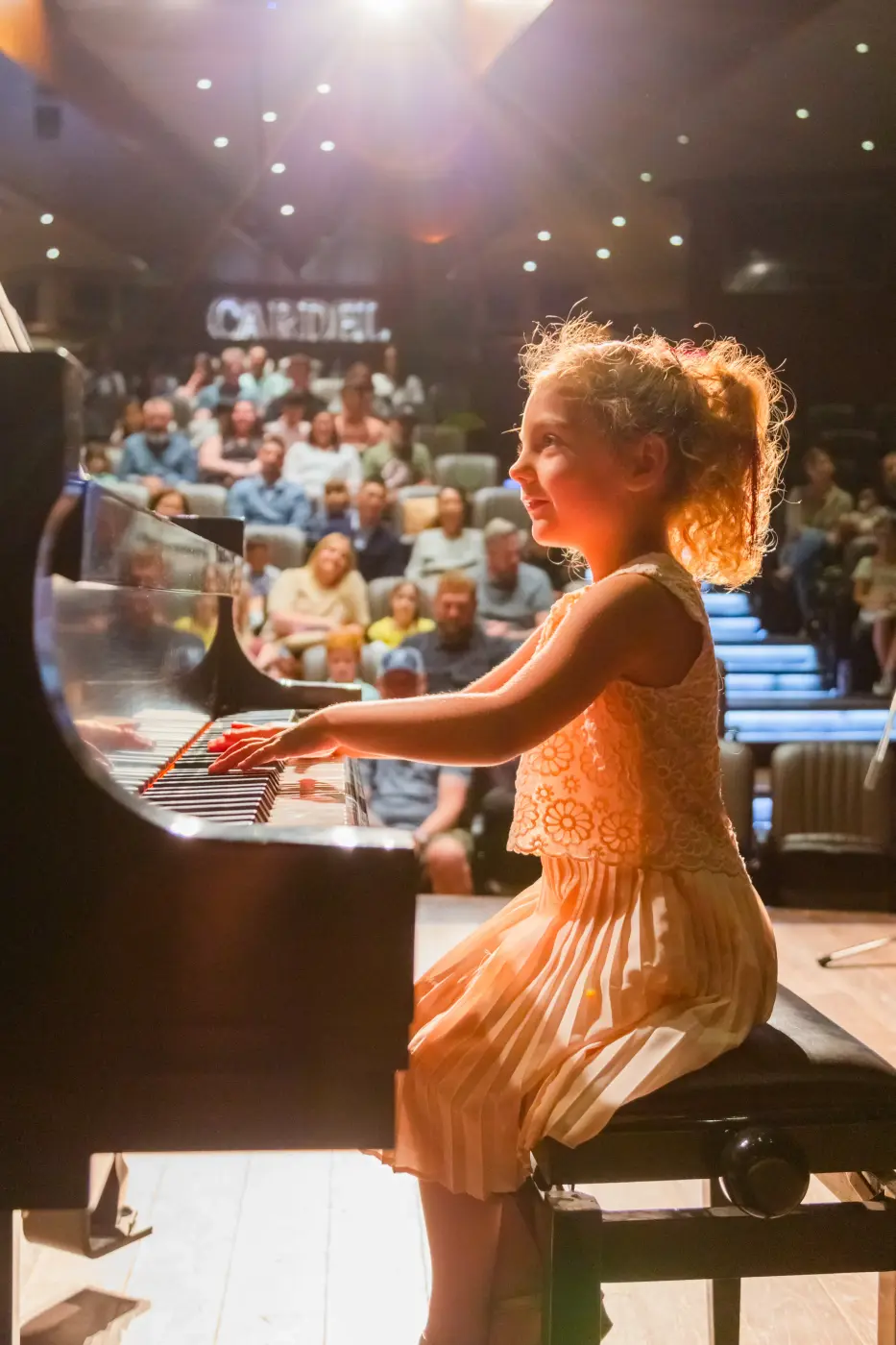
One of the most common questions parents ask is, "What is the best age for my child to start piano lessons?" It's an important question because every parent wants to give their child the best possible start while ensuring they are ready to enjoy the learning process.
The truth is that there is no single perfect age for every child. Some children are ready to begin beginner piano lessons earlier than others, while some benefit from waiting a little longer before starting formal instruction. The most important factor is not a child's age but their individual readiness, interest, and ability to participate in structured music lessons.
Whether you're considering lessons for a preschooler, a school-aged child, or even an older beginner, understanding the signs of readiness can help you make the best decision. If you're looking to find a piano teacher in Vaughan, Thornhill, North York, or Richmond Hill, knowing when to start can help set your child up for long-term success.
How Piano Lessons Support Early Childhood Development
Music plays an important role in a child's development from a very young age. Even before formal lessons begin, children naturally respond to rhythm, melody, and movement. Singing songs, clapping along to music, and exploring sounds help build the foundation for future musical learning.
Research has consistently shown that music education can support the development of important skills, including memory, concentration, listening, coordination, and problem-solving. While young children may not yet be ready for formal beginner piano lessons, exposure to music during the early years prepares them to succeed when lessons begin.
Learning to play the piano involves using both hands independently, reading musical symbols, listening carefully, and coordinating physical movements. These activities stimulate multiple areas of development simultaneously and help children strengthen skills that can benefit them both academically and socially.
Parents often notice improvements in focus, patience, and self-discipline as their children participate in regular music lessons. These benefits make piano study one of the most rewarding extracurricular activities available for young learners.
What Is the Recommended Starting Age?
Most professional piano teachers recommend beginning formal piano instruction between the ages of five and seven. During this stage, many children have developed the attention span, physical coordination, and listening skills needed to participate successfully in lessons.
Children in this age group can often follow directions, recognize patterns, identify letters and numbers, and remain focused for short periods of time. These skills create a strong foundation for learning basic piano concepts.
That does not mean younger children cannot begin learning music. Some four-year-olds demonstrate exceptional readiness and thrive in carefully designed beginner piano lessons. However, lessons for very young children generally focus more on musical exploration, rhythm activities, and foundational skills rather than formal piano techniques.
At the same time, parents should not feel concerned if their child doesn't start until age eight, nine, or older. Many successful students begin later and progress very quickly. A child's enthusiasm and willingness to learn often matter more than their starting age.
Signs Your Child Is Ready for Piano Lessons
Rather than focusing exclusively on age, parents should look for signs that indicate readiness for piano study.
One of the strongest indicators is an interest in music. Children who enjoy singing songs, listening to music, tapping rhythms, or experimenting with instruments often demonstrate a natural curiosity that supports successful learning.
The ability to focus is another important factor. While young children naturally have shorter attention spans, students should be able to concentrate on an activity for at least fifteen to twenty minutes. This helps them stay engaged during lessons and absorb new information.
Basic hand coordination is also helpful. Children do not need advanced motor skills, but they should be comfortable using their fingers independently and following simple instructions involving both hands.
Listening skills play an important role as well. Students should be able to pay attention when a piano teacher demonstrates a concept and attempt to repeat it afterward. The ability to follow simple directions contributes significantly to lesson success.
Parents should also look for signs of emotional readiness. Children who can handle gentle correction, work through small challenges, and maintain a positive attitude when learning new skills often adapt well to piano instruction.
If your child shows several of these qualities, they may be ready to begin learning how to learn playing piano in a structured and enjoyable way.
Why Starting Too Early Isn't Always Better
Many parents worry that if they don't start lessons as early as possible, their child might fall behind. In reality, beginning lessons before a child is ready can sometimes create frustration rather than progress.
Children who struggle to focus, follow directions, or understand basic concepts may become discouraged if formal instruction feels overwhelming. When lessons are introduced at the right time, students are more likely to enjoy the experience and develop a positive attitude toward music.
A skilled piano teacher understands how to work with different age groups and can help determine whether a child is ready for formal training. Finding the right teacher is often just as important as choosing the right age to begin.
Benefits of Piano Lessons for Older Beginners
One of the biggest misconceptions about piano education is that students must start young to succeed. The reality is that older beginners often enjoy several advantages.
Children who begin piano lessons at ages eight, nine, ten, or older frequently have stronger reading skills, longer attention spans, and greater self-discipline. These qualities can accelerate learning and allow students to grasp musical concepts more quickly.
Older students are also more likely to understand long-term goals and take ownership of their practice routines. Many become highly motivated because they actively chose to start learning rather than having lessons introduced by a parent.
Because of these advantages, older beginners can often make remarkable progress during their first year of instruction. The key is finding engaging beginner piano lessons that match their interests and learning style.
Parents should remember that there is no deadline for learning music. Students can successfully learn playing piano at a wide range of ages and still enjoy significant benefits from their musical education.
The Importance of Finding the Right Piano Teacher
Regardless of when a child starts, choosing the right instructor plays a major role in their success.
When you find a piano teacher, look for someone who understands child development, communicates clearly, and creates a positive learning environment. A great teacher knows how to adapt lessons to each student's abilities and maintain a balance between challenge and encouragement.
Children are more likely to remain motivated when lessons are enjoyable and age-appropriate. A patient and experienced piano teacher can help students build confidence while developing strong technical skills and musical understanding.
For families seeking music lessons in Vaughan, Thornhill, North York, or Richmond Hill, private instruction can provide the personalized attention that helps young students thrive.
Every Child Is Ready at a Different Time
The best age to start piano lessons depends on the individual child. While many students are ready between the ages of five and seven, readiness matters more than age.
Children who demonstrate interest in music, the ability to focus, and a willingness to learn often have the foundation needed to succeed in beginner piano lessons. At the same time, older beginners can achieve excellent results and develop a lifelong love of music.
Whether your child is just beginning to explore music or is ready for formal instruction, working with an experienced piano teacher can help them develop confidence, creativity, discipline, and a strong appreciation for music.
If you're looking to find a piano teacher and help your child learn playing piano, our music school proudly offers personalized music lessons for families in Vaughan, Thornhill, North York, and Richmond Hill. Contact us today to learn more about our beginner piano lessons and discover how music can become a rewarding part of your child's development.